Quote example: frozen food from Shanghai to Incheon, and why we proposed a reefer FCL over LCL
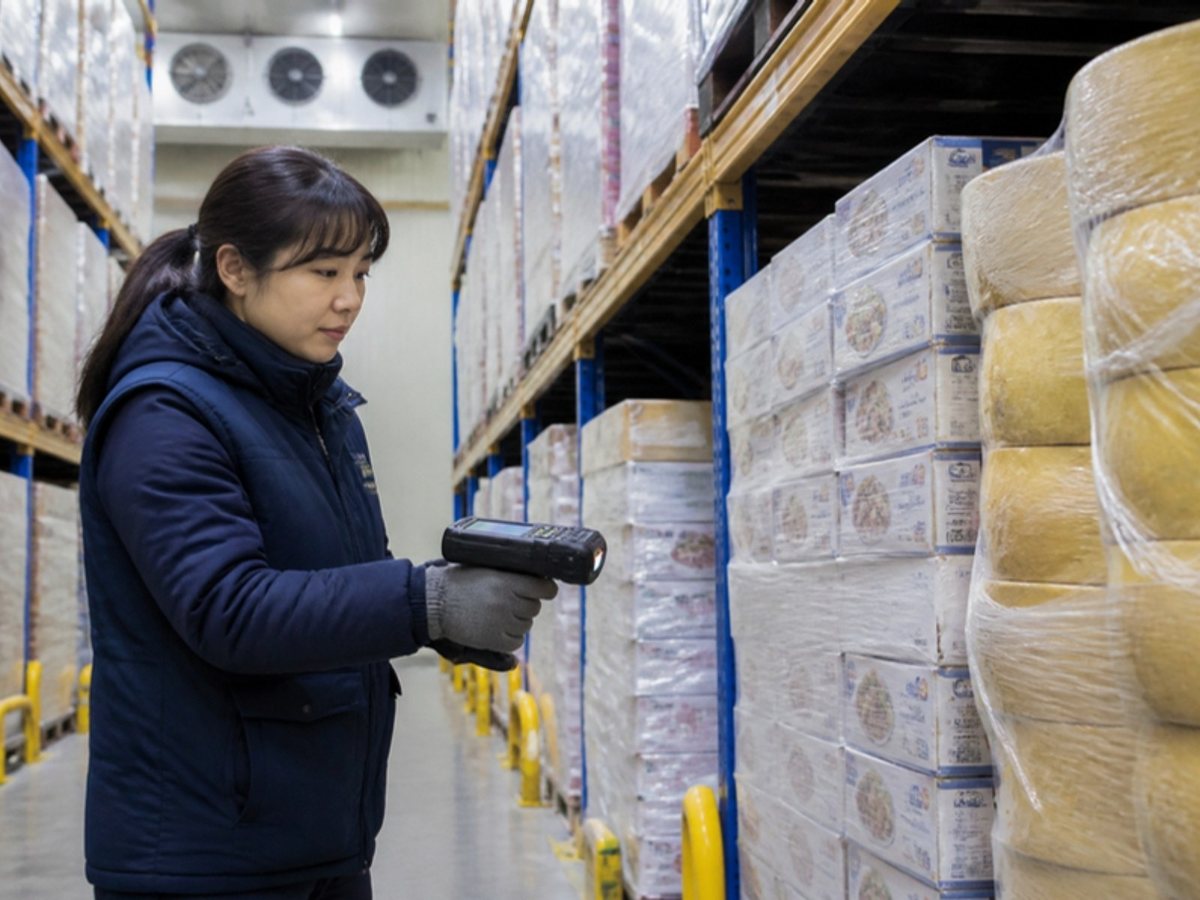
This is a quote walkthrough built on a type of enquiry KALTSTART often receives. It is not based on a specific shipper or price.
The request: a shipper importing frozen processed food from Shanghai to Incheon for the first time asks for an LCL (consolidated) rate, because the volume of about 10 CBM does not fill a container.
Our review: the main reason frozen cargo is hard to ship as LCL (consolidated) is that different cargo needs different temperatures. Frozen food usually travels at minus 18°C or below, chilled cargo is often kept at around 0–4°C depending on the product, and general cargo moves at ambient temperature. A reefer container normally runs at one set temperature at a time, so if cargo with different temperature requirements shares a container, the temperature each shipper asked for cannot all be met.
Other risks of consolidation: even when cargo in the same temperature range is grouped together, the inside temperature can swing while the doors are opened to load and unload other shippers' goods, and odours from other cargo can transfer to food. While cargo is gathered and split at the container freight station (CFS), it may also be exposed to ambient temperatures, which is why few routes and warehouses accept frozen cargo on a consolidated basis at all. A single temperature excursion can lower the quality of the goods, cause problems at customs or lead to them being destroyed, so the freight rate alone is not a fair comparison.
Our proposal: for temperature-controlled cargo, our main option is an FCL shipment in a dedicated reefer container set to the required temperature. In this example, a 20-foot reefer container would be set to minus 18°C or below, with the loading schedule arranged before departure. A reefer container is built to hold a temperature rather than bring it down, so we ask shippers to freeze the goods to the target temperature before loading. For a smaller volume, we would also quote air freight with cold-chain packaging as an alternative. FCL can cost more than LCL, but we explain that lowering the risk of temperature excursions and customs delays can make it the cheaper choice overall.
Customs and inspection: food imported into Korea needs an import declaration to the Ministry of Food and Drug Safety, and a food imported for the first time may face a different type and length of inspection. So we check the ingredient, manufacturing process and labelling documents before shipment and secure a slot at a bonded cold store for arrival.
How KALTSTART works: the instant quote on our website shows 20-foot and 40-foot FCL reference rates for listed routes straight away, and if you send the product, temperature and packing details through a detailed quote, we reply with a comparison by transport mode. Once you book with us, you can check the vessel's position and estimated arrival every day in Track Cargo, and if typhoons or strong winds affect the route, we let you know alongside the alerts on our website. You can reach us by email, WeChat, WhatsApp, LINE or KakaoTalk.